What Is Craniopathy?
This treatment approach is often sought to help support:
- Headaches and migraines
- TMJ/TMD disorders
- Dizziness and balance issues
- Nervous system support
- Overall wellness and performance
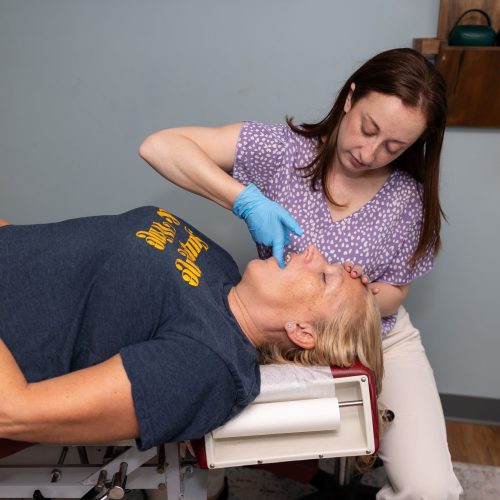
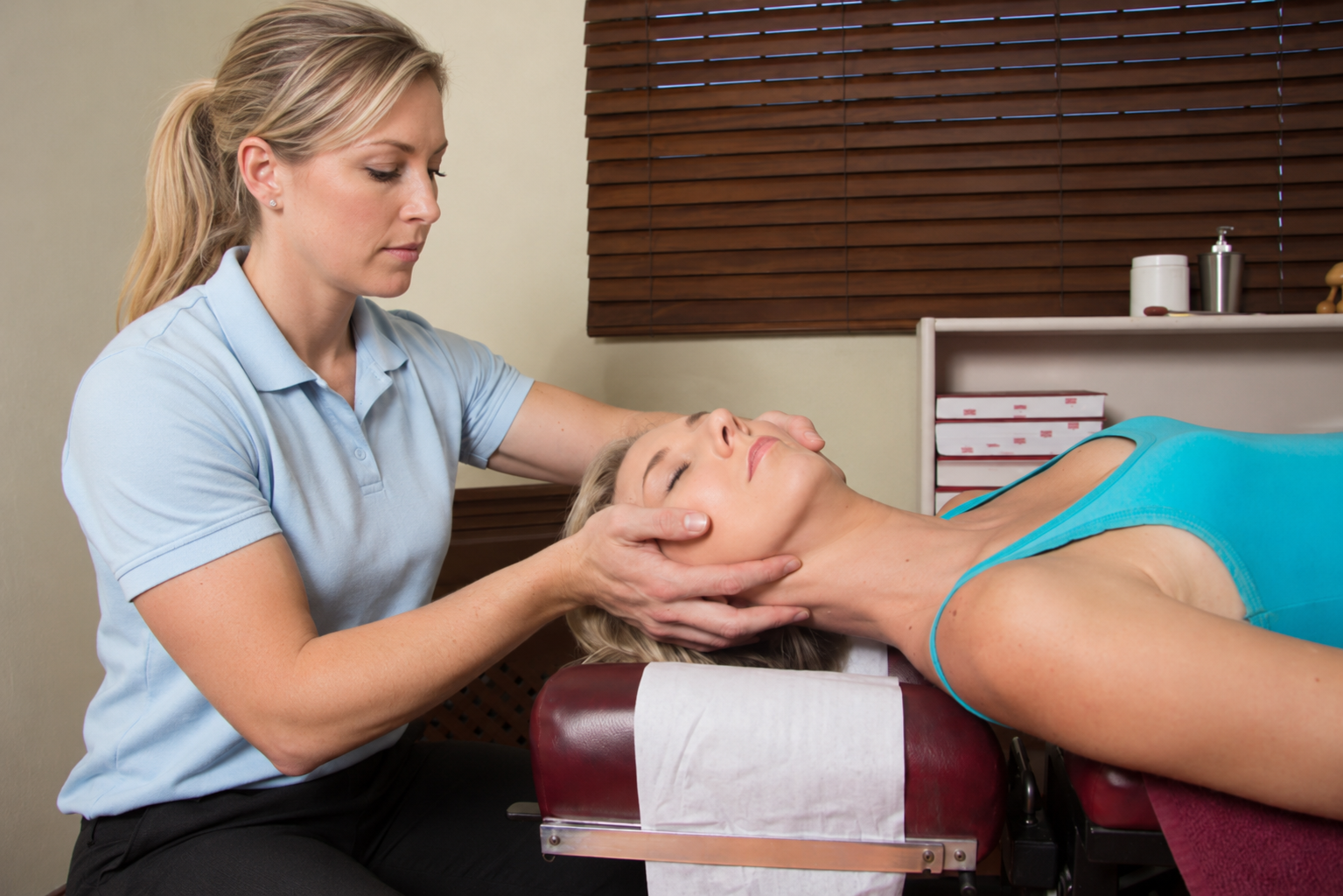
A Gentle & Comprehensive Wellness Approach
Benefits include:
- Improved nervous system function
- Enhanced cranial balance
- Support for healthy brain function
- Better mobility and comfort
- Personalized treatment plans
- Improved relaxation and recovery
CONDITIONS
How Craniopathy Supports Wellness
Helping reduce pressure and tension that may contribute to headaches and discomfort.
Focused on improving communication and balance throughout the nervous system.
Supporting healthy cerebrospinal fluid movement and overall brain wellness.
Find Answers to Your Craniopathy Questions
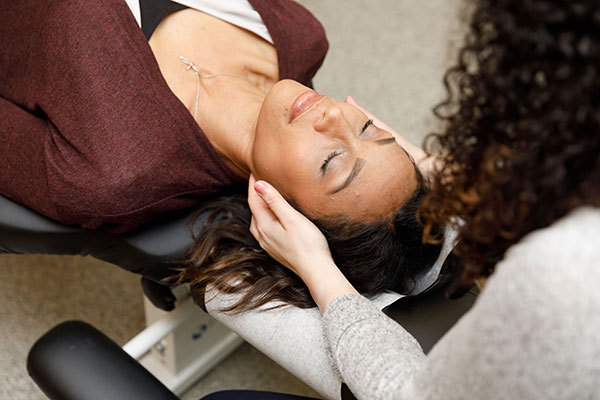
Craniopathy is commonly used to support individuals experiencing:
- Headaches
- TMJ/TMD
- Concussions and traumatic brain injuries
- Plagiocephaly and brachycephaly in infants
- Birth trauma
- Teeth grinding (bruxism)
- Dizziness
- Parkinson's disease
- Trigeminal neuralgia
- Speech difficulties
- Ear pain and recurring ear infections
- Learning challenges
- Airway and breathing concerns
- Dental discomfort
- Stroke-related symptoms
Because the nervous system is closely connected to cranial function, many health concerns may benefit from evaluation and treatment.
Yes. The brain and spinal cord are surrounded by the dura mater and supported by cerebrospinal fluid (CSF), which helps deliver nutrients and remove waste. Proper fluid movement is important for healthy brain function.
Research has linked impaired glymphatic system function with:
- Alzheimer's disease
- Parkinson's disease
- Sleep disorders
- Headaches
- Stroke
- Multiple sclerosis
- Traumatic brain injury
Supporting healthy cranial function may contribute to overall neurological health, recovery, performance, and wellbeing.
Certification requires extensive advanced training, including a minimum of five years of study and over 250 hours of continuing education before sitting for certification examinations.
No. While both approaches involve the cranial system, craniopathy is a highly specialized discipline primarily practiced by chiropractors and certain osteopaths with extensive advanced training.
Craniopathy focuses on precise assessment and correction of cranial dysfunctions as part of a comprehensive whole-body treatment approach, while craniosacral therapy generally emphasizes relaxation and fluid movement.
Yes, many patients include Craniopathy as part of their long-term wellness routine.